Part 1 - A Grain of Truth: What Actually Drives Rice Yields?
Brya Patterson, Spring 2024, University of Washington, MS Information Management (MSIM)

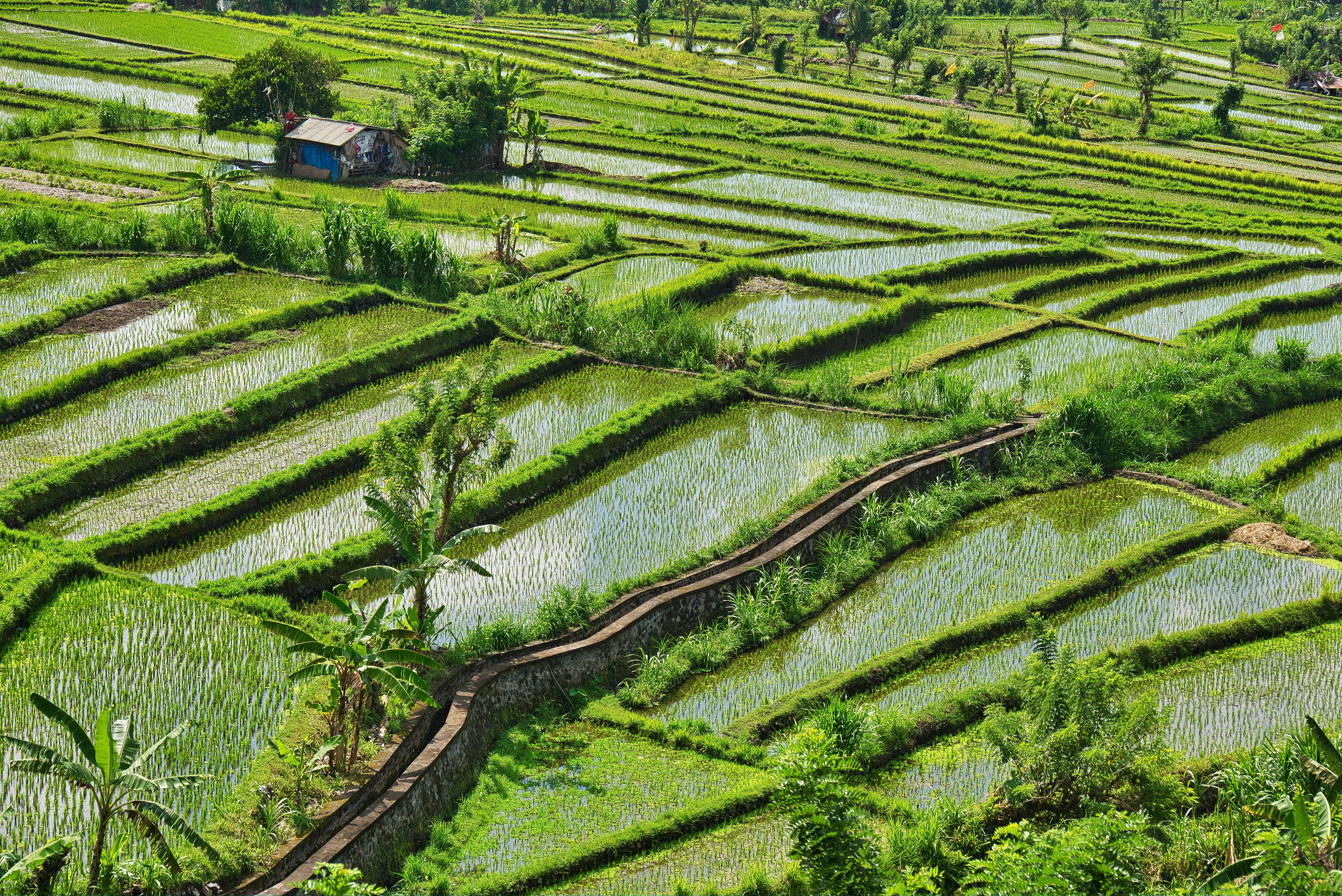
Executive Summary
- The Mission: Conducted a multi-variable productivity audit of Indonesian rice production to identify the primary drivers of harvest yield and optimize resource allocation for regional farmers.
- Impact: Identified a critical "Efficiency Gap" between fertilizer types, proving that Urea provides significantly higher ROI than Phosphate. This data-driven insight allows for the strategic reallocation of agricultural subsidies to maximize food security.
- Core Capabilities: Operational Audit, Resource Optimization, Supply Chain Analytics.
- The Remediation: Addressed the "Regional Performance Gap." Clustering revealed that geography and local infrastructure were suppressing yield regardless of seed quality. I recommended focusing infrastructure investment on "Tier 2" regions to equalize production across the territory.
- The Recommendation: Move beyond "Traditional Varieties." The data proved that traditional seeds are high-risk and low-reward. I recommend a government-backed subsidy program to fully transition farms to HYV (High-Yield Varieties).
- The Future State: Proposed the development of a Climate-Resilience Forecasting tool. By merging historical yield data with modern climate profiles (2020–2026), leadership can predict "Yield Elasticity" and prepare for future food security shocks.
- Does the size of the farm dictate the gross output of a specific variety’s harvest?
- What impact does urea and phosphate have on gross output by variety?
- Does the use of fertilizers produce a better yield for a specific region, regardless of variety.
- Scale as a Primary Driver: Farm size is the most dominant predictor of yield (p < 0.001). Regardless of seed variety, land area showed a near-universal correlation with total production volume.
- Superiority of High-Yield Varieties (HYV): High-yield seeds consistently outperformed traditional and mixed varieties, providing the most stable and highest average outputs.
- Urea vs. Phosphate Efficiency: The regression models revealed that Urea application has a significantly higher positive impact on yield than Phosphate. In many segments, Phosphate returned diminishing or lower consistent yields compared to Urea.
- Regional Variance: Clustering identified distinct regional "performance tiers," suggesting that geography and local infrastructure play a role in production that is independent of seed or fertilizer choice.
- Climate Integration: Joining 1970s farm data with historical rainfall and temperature records from West Java.
- Forecasting: Predicting how 1970s yields would be impacted by 2024–2026 climate profiles.
Remediation & Recommendations
Operational Scale Analysis
Established land size as the universal baseline for production, providing a framework for identifying "High-Performer" vs. "Under-Performer" tiers across regional clusters.
Input Optimization
Conducted a comparative ROI analysis on Urea vs. Phosphate fertilizers, advocating for Urea-centric investment to stabilize and increase total output.
Product Lifecycle Strategy
Validated the superiority of High-Yield Varieties (HYV) over traditional seeds, creating a roadmap for a phased transition to modern agricultural inputs.
View Full Case Study
Overivew
This study investigates the key drivers of agricultural productivity within Indonesian rice farms to identify how specific inputs—land size, seed variety, and fertilizer types—impact total harvest volume. The goal is to provide data-driven insights that can help optimize resource allocation for increased food security and farm profitability.
Analytical Framework: Guiding Research Questions
The analysis was structured around three core questions:
Key Insights
Future Work: Part 2
The next phase of this project, "Seasons of Change: Predicting Modern Yields with Historical Models," will move beyond farm-level inputs to incorporate environmental variables.